Near the Shore Winds Tend to Blow
Winds blow steadily upstream. Convection currents O B.

Near The Shore Winds Tend To Blow Toward The Land During The Day What Drives This Process Brainly Com
Land heats more rapidly than water.

. Waves tend to be parallel to the shore when they break due to the process of _____. Similar to Chinooks but are caused by different dynamics. Near the shore winds tend to blow toward the land during the day.
Direct contact of particles O D. A diffraction b. The wordorganic also functions as a noun a word for any substance suchas a fertilizer or pesticide that is derived from animal orvegetable.
A cool dry wind flowing off the Pyrenees Mountains in Spain. 111 Judge the following sentence according to the criteria given below. Near the shore winds tend to blow out toward the water at night.
139 during the day along the coast the wind tends to. Convection currents in the water. TF- On an upper level chart such as a 500-millibar chart winds tend to cross the isobars or contours at an angle that averages about 30.
Radiation 3 Near the shore winds tend to blow out toward the water at night. Convection currents in the air. C The assertion is correct but the reason is incorrect.
What drives this process. What drives this process. Winds blowing from the south cause upwelling along continents eastern coasts in the Northern Hemisphere although it is not as noticeable because of the western.
Near the shore winds tend to blow out toward the water at night. TF- As the wind moves in a curved path the centripetal force results from an imbalance between the Coriolis force and the pressure gradient force. Cool air above the water conducts heat to the warmer air above the land.
Winds that blow steadily from specific directions over a. Winds tend to blow upstream. Warm air above the land rises and is replaced by cooler air from the water.
A cold wind found in the Yukon Territory. Warm air above the land conducts heat to the cooler air above the water. High pressure calm area located between trade winds and westerlies near 30 degrees where air is sinking see diagram D Trade Winds.
The conduction of thermal energy from the land to the water. Santa Ana winds are. Winds may be blocked by hills on southern shore.
Land heats more rapidly than water. Warm air above the water rises and is replaced by cooler air from the land. The same waves break against both headlands and in nearby bays but their energy is different BECAUSE wave reflection causes the distribution of wave energy to change between them.
Some erratic wind possible. Near the shore winds tend to blow out toward the water at night. August 21 2011 W September 6 2016 W August 23 2017 W July 28 2018 W August 9 2009 WSW August 29 2009 WSW.
What drives this This problem has been solved. Warm air above the water rises and is replaced by cooler air from the land. What drives this process.
Cool air above the land conducts heat to the warmer air above the water drives this process. The conduction of thermal energy through the air. The word organic is derived from the noun organ.
Near shore if the wave crests are two hundred feet apart the wave will feel bottom when the depth. The first waves to form on the ocean surface when the wind starts to blow are _____. Warm air above the land rises and is replaced by cooler air from the water causing a convection current.
Electromagnetic waves O C. A gravity waves b internal waves c swell. Winds blow steadily upstream dividing at point.
Physics 07012020 2131 jdmXdude3140. Therefore cool air on the land close to the coast this air leads heat to the hot air which is present on the water H2O. A hot dry wind that flows off the Mexican High Plateau onto the plains of Texas.
Near the shore winds tend to blow out toward the water at night. In the Northern Hemisphere upwelling occurs along west coasts eg coasts of California Northwest Africa when winds blow from the north causing Ekman transport of surface water away from the shore. Cool air above the land conducts heat to the warmer air.
Cool air above the land rises and is replaced by warmer air from the water. Wind blowing from the East toward the equator between 0-30 degrees See diagram B. What drives this process.
Just got this from apex. 139 During the day along the coast the wind tends to blow toward the ________ because ________.
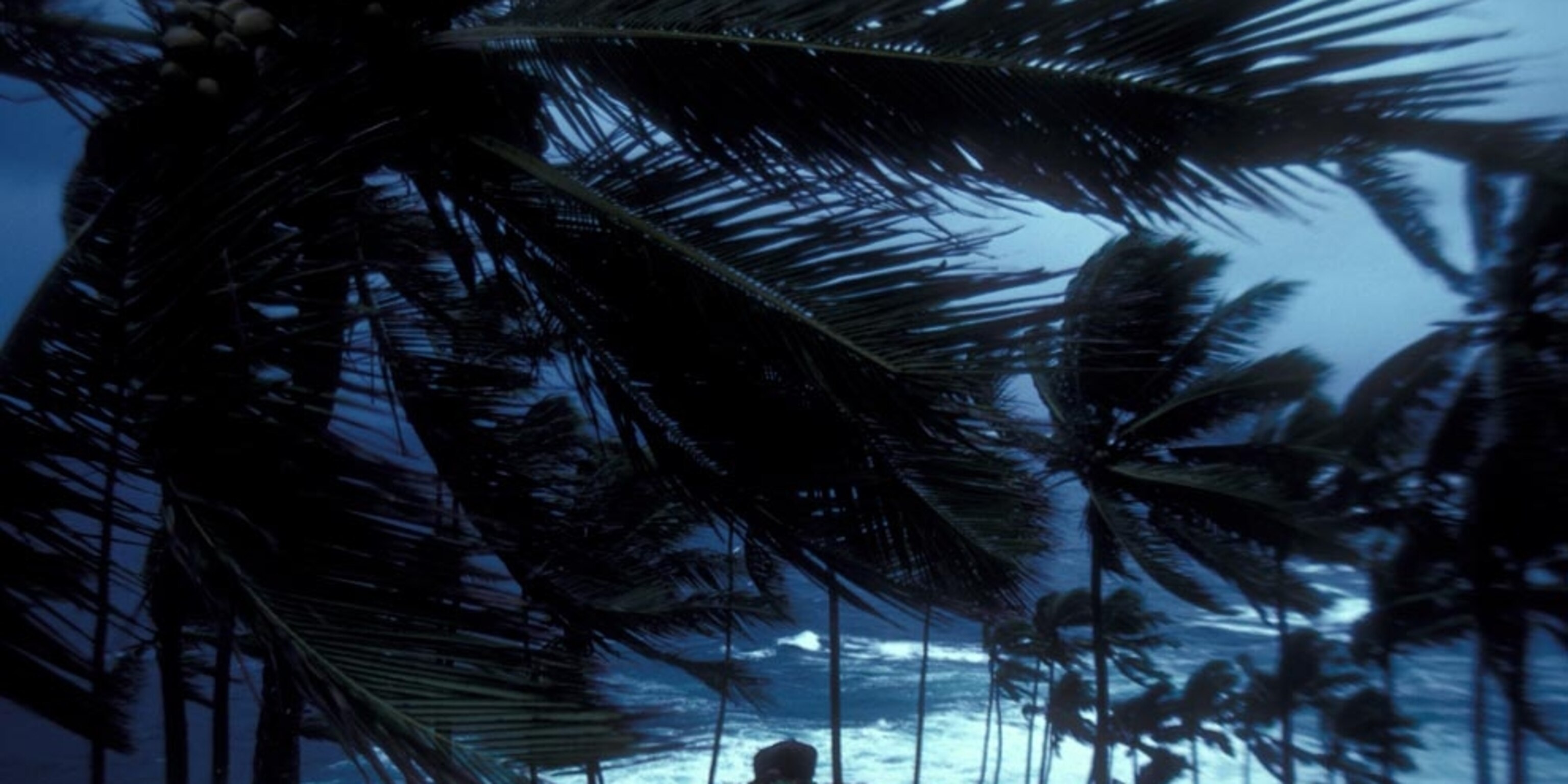
Wind Wind Information Facts News Photos National Geographic

Near The Shore Winds Tend To Blow Out Toward The Water At Night What Drives This Process Brainly Com
Which Way Is The Ocean Breeze Blowing Extension
No comments for "Near the Shore Winds Tend to Blow"
Post a Comment